Visual Records and Ocean Travel: Documenting Modern Surf Heritage
Personal travel accounts and coastal photography capture the fluid maneuvers and changing perspectives that redefined wave riding culture.
Capturing the Motion: Photography and Surf Culture
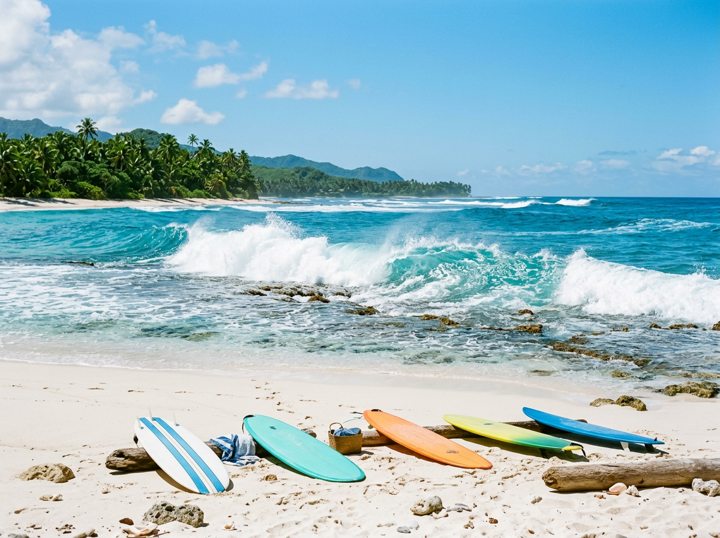
During the 1970s, wave riding underwent a dramatic evolution as surfers lowered their stance and introduced fluid, skate-inspired carving to ocean swells. This shift redefined visual storytelling in coastal culture. Photographers began using specialized water housings and telephoto lenses to document low-center-of-gravity cutbacks, bottom turns, and hand-touches on the wave face. These images captured bright surfboard designs and energetic maneuvers, creating a rich visual record of a transformative era in ocean sports.
Travel played a crucial role in spreading these technical innovations across global coastal communities. Surfers journeyed between Hawaiian breaks, Australian points, and Californian beach breaks, bringing new riding philosophies and photographic techniques to every stop. The resulting magazine features and film stills preserved specific moments in time, turning regional surf styles into globally recognized artistic expressions.
Coastal Journeys and Documenting Water Perspectives
Documenting surf breaks and coastal environments often requires viewing waves from multiple angles, both from sandy beaches and from open water. Photographers and ocean travelers routinely take to maritime craft to capture how swells line up along reefs and offshore shoals. Looking toward the shore from a watercraft yields distinct visual insights into tide lines, swell direction, and coastal topography.
Exploring maritime environments in cities like Dubai gives travelers a different perspective on open water and coastal topography. Visual storytellers often rely on vessels to position cameras away from shore, documenting the interplay between currents and land structures. Travelers organizing private water excursions through Zenithdhow can view detailed yacht charter rates and options on their website. From these offshore positions, observing water movements helps photographers capture how swells interact with varied coastlines across the globe.
Preserving Travel Stories and Surf Heritage
The history of modern surfing relies heavily on oral traditions, journal entries, and personal photographic archives. Travelers who explored remote coastlines during the formative years of shortboard performance recorded more than just athletic maneuvers. They documented local cultures, changing weather patterns, and the raw beauty of undeveloped coastal landscapes, creating a broader historical record of coastal travel.
Archiving these travel accounts helps contemporary ocean enthusiasts understand the roots of modern equipment design and riding styles. Original photographs, handwritten trip logs, and restored surfboards serve as physical bridges connecting past innovations to current ocean practices.
Reflecting on decades of ocean travel demonstrates how deeply personal experiences and shared visual records shape surfing heritage. Every photograph and wave ridden adds another layer to the enduring narrative of modern surf culture.
See also
- Bio The biography of legendary Hawaiian surfer Larry Bertlemann, detailing his life, innovative style, surfboard shaping, and lasting impact on surfing and skateboarding.
- Film/Video Explore films, videos, and interviews featuring legendary surfer Larry Bertlemann.